
Snorkeling Beaches Near Thessaloniki
― where the water is clear enough to see something ―
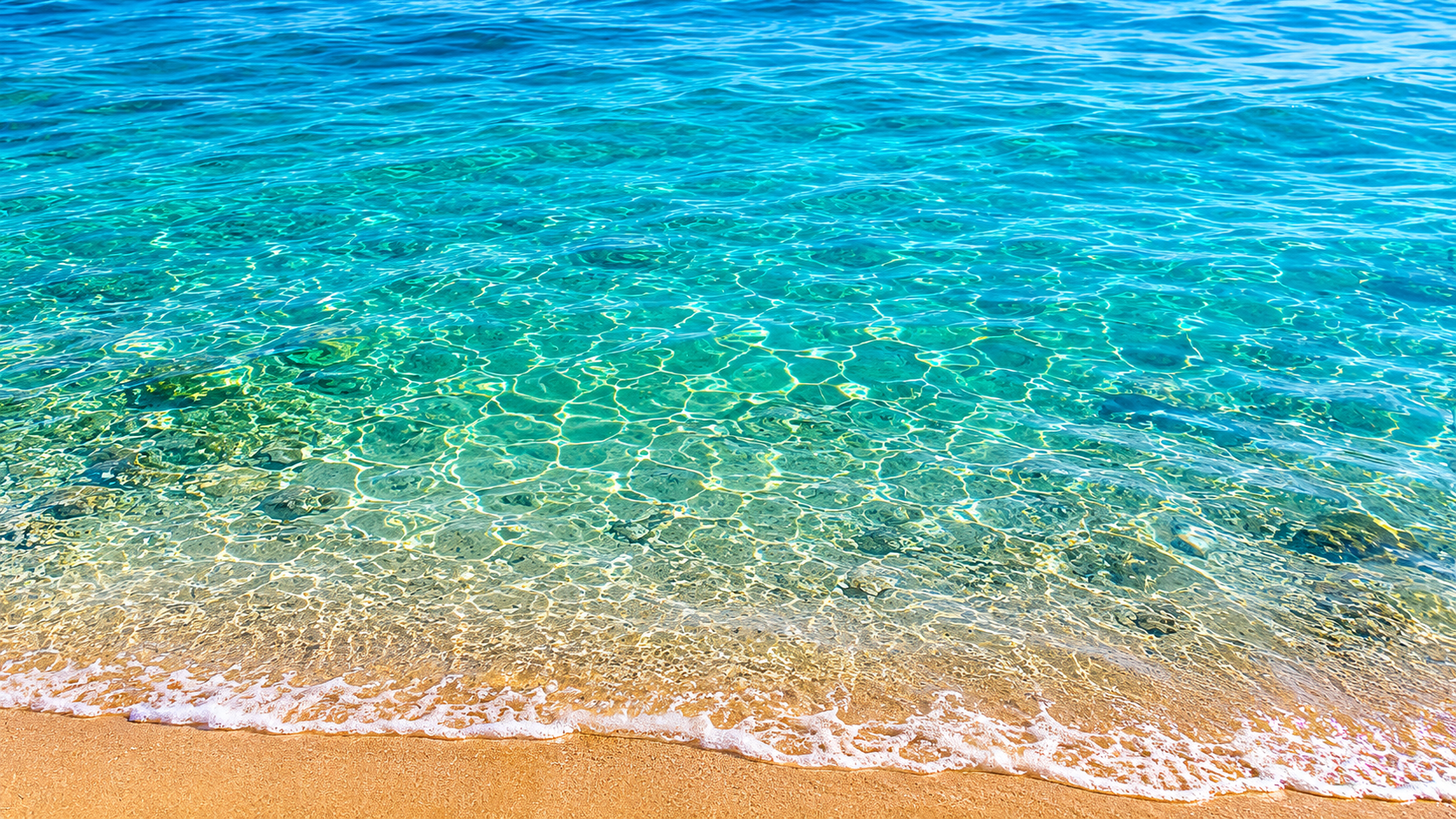
The beaches immediately near Thessaloniki — Peraia, Agia Triada, the Thermaikos coast — have sandy bottoms and turbid water that limits underwater visibility. Good for swimming, not great for snorkeling. For snorkeling worth bringing a mask for, you need to drive to Chalkidiki or further down to Pieria where the water is clearer and rocky reefs start appearing.
What to Expect
The Aegean in this region doesn't offer the reef diving of the Caribbean or the Red Sea. What you do get: reasonable water clarity (5–10 m visibility at good spots), healthy populations of bream, mullet, sea bass, and octopus, plus interesting rocky formations in the shallower coves. It's enjoyable recreational snorkeling, not specialist diving.
Best Snorkeling Spots
Possidi Cape, Kassandra — 102 km / 82 min
Where the sandy beach meets rocky outcrops on either side, the water clarity is very good and the underwater terrain changes character. Rocky sections with sea grass beds host good populations of fish. The headland itself has some interesting underwater features. Visibility 5–8 m on calm days, better in morning before the wind picks up.
Afytos, Kassandra — 83 km / 66 min
The beach at Afytos has rocky sections at both ends that reward a snorkel. Sea urchins are common here — don't put your feet down without checking. The fish life around the rocks is active: wrasse, sea bream, and octopuses in the crevices. Visibility is generally good, particularly in early morning or late afternoon.
Vourvourou / Blue Lagoon, Sithonia — ~105 km / ~88 min
The islet-dotted waters around Vourvourou have exceptional clarity. Between the islets, the bottom is sandy with patches of Posidonia seagrass — excellent habitat. The Blue Lagoon area has some of the clearest water in Chalkidiki. A kayak or small inflatable boat significantly expands what you can reach here.
Plaka Litochoro, Pieria — 97 km / 80 min
The rocky sections at the south end of Plaka Beach have surprisingly good snorkeling for a mainly sandy coast. Sea bass, bream, and octopus are common. The combination of beach and mountain backdrop makes this one of the most memorable day outings in the region.
What You Need
A basic mask and snorkel is sufficient — no fins needed for flat-water snorkeling, though fins help in current. Water shoes protect feet on rocky entries. A rashguard or wetsuit top extends your time in the water on cooler days (June, September) and provides sun protection. The sea is warm enough from late May through September without a wetsuit.
Tips
- Snorkel in the morning. Wind picks up in the afternoon at most Chalkidiki beaches, reducing visibility.
- Look under rock overhangs for octopuses — they shelter in crevices during the day.
- Don't touch sea urchins. Their spines break off in skin and are difficult to remove.
- Posidonia seagrass meadows (dark patches on the bottom) are protected. Don't anchor or walk through them.
