
Axios Delta Birdwatching
― one of Europe's most important wetlands, 25 km from Thessaloniki ―
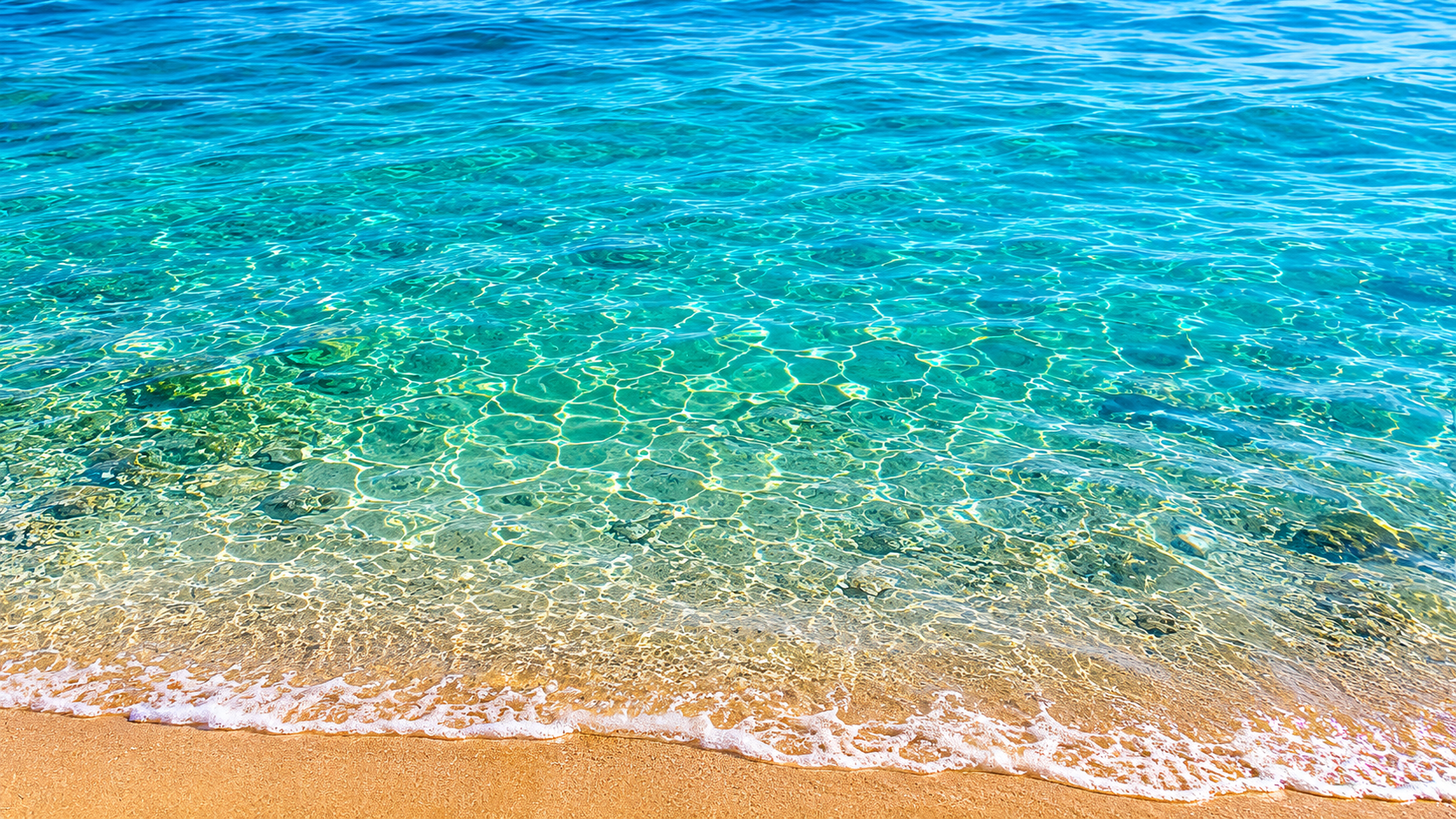
Twenty-five kilometres west of Thessaloniki, five rivers meet the sea in a sprawling delta system that is one of the most important bird habitats in Europe. The Axios Delta National Park encompasses the mouths of the Axios, Loudias, Aliakmonas, Gallikos, and Axios rivers — a mosaic of reedbeds, shallow lagoons, salt marshes, and sandy beaches that provides critical nesting and feeding habitat for hundreds of species. It's not well-known outside Greece, which means you're likely to share the paths with nobody but the birds.
Getting There
From Thessaloniki, take the national road (Via Egnatia/Egnatia Odos) west, then exit at Halastra or follow signs to Axios Delta. The main visitor access point is near the village of Halastra (25 km, 30 minutes). Alternative access via Kalochori for the Axios-Loudias section. The delta roads are mostly unpaved tracks requiring a standard or 4x4 vehicle.
Birds: What You'll See
The delta records over 300 species annually. The highlights change by season:
- Year-round: Little egret, grey heron, cormorant, marsh harrier, kingfisher, little grebe
- Spring–Summer breeding: Little tern, common tern, black-winged stilt, avocet, collared pratincole, glossy ibis, little bittern, purple heron
- Spring/Autumn migration: Ferruginous duck, whiskered tern, black tern, waders in huge variety, osprey, various harrier species
- Winter: Dalmatian pelican, greater flamingo (small flocks occasionally), diving ducks, lapwing
The Dalmatian pelican population that winters and breeds in the region is one of the reasons the Axios Delta has European significance. These enormous birds, considerably larger than the white pelican, can sometimes be seen from the delta roads.
Best Spots
Kalochori Lagoon
The most accessible area, near the village of Kalochori. A small observation platform overlooks a shallow lagoon that attracts waders and terns. In spring, glossy ibis, stilt, and avocet all breed here. The drive to Kalochori takes about 25 minutes from central Thessaloniki.
Axios River Mouth
The main river mouth has a beach (used by local fishermen) and reed bed sections accessible by track. Marsh harriers are resident; little terns breed on the sand spits. The habitat changes frequently as river flows shift the channels.
Practical Tips
- Binoculars are essential. A telescope on a tripod significantly improves viewing of distant waders.
- Best light for photography is early morning (golden light, birds most active).
- Wear long sleeves and insect repellent in spring and early summer — mosquitos are significant near the wetlands.
- Bring water and food — there are no facilities in the delta itself.
- A detailed map of the delta tracks is available from the Thermaikos Gulf Management Body (ΦΟΔΣΑ).
